
Insights & Updates
Expert perspectives on debt advisory, structured finance, valuations, and transaction execution from the ExpressDhan team.
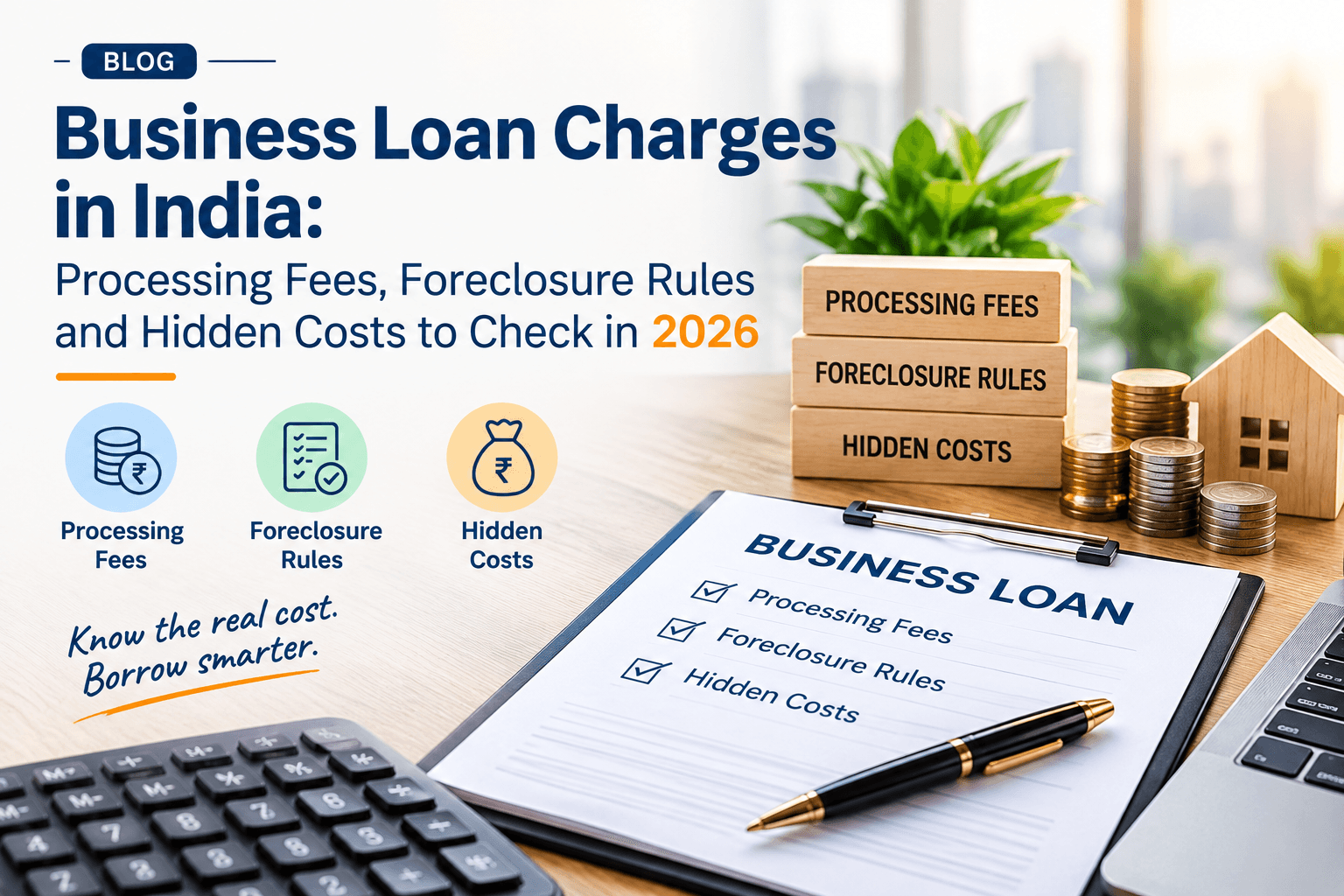
Business Loan Charges in India: Processing Fees, Foreclosure Rules and Hidden Costs to Check in 2026
Quick answer: A business loan costs more than its interest rate. The total usually includes a processing fee, GST on fees, valuation and legal charges on secured loans, penal charges for late payment and, in some cases, a charge for closing the loan early. Since 1 January 2026, an RBI rule stops specified lenders from charging prepayment penalties on floating-rate business loans to individuals and micro and small enterprises (MSEs). But it covers only loans sanctioned or renewed on or after tha…
 Express Dhan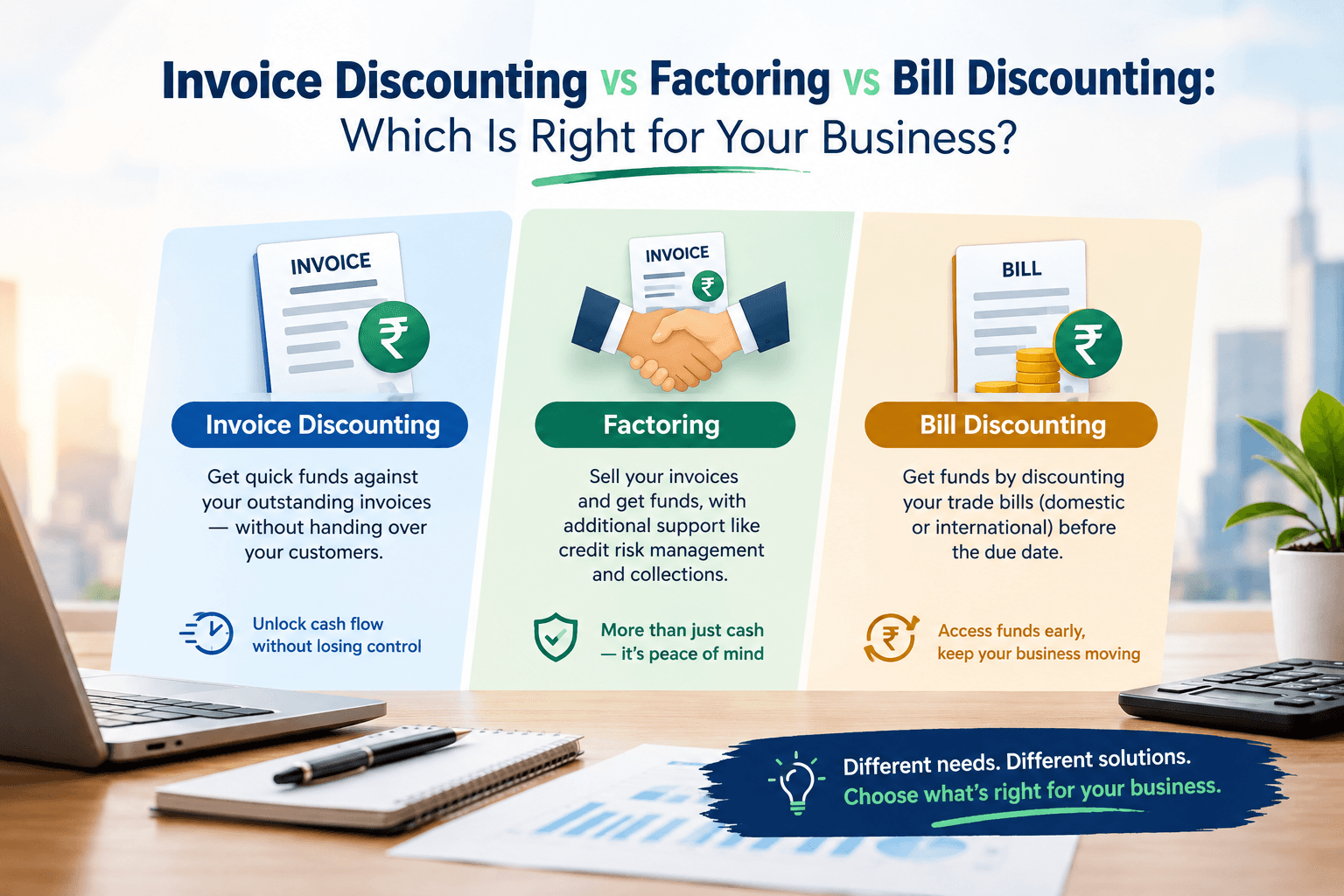
Invoice Discounting vs Factoring vs Bill Discounting: Which Is Right for Your Business?
Quick answer: All three let you get cash against unpaid customer invoices instead of waiting 30 to 90 days. Invoice discounting is a loan against your invoices while you keep collecting from customers. Factoring means a financier buys your receivables and often handles collection. Bill discounting is a bank facility where bills drawn on your buyer are discounted for immediate funds. Your orders are growing. Customers are paying, just not on time. That is the gap that stresses many Indian busine…
Express Dhan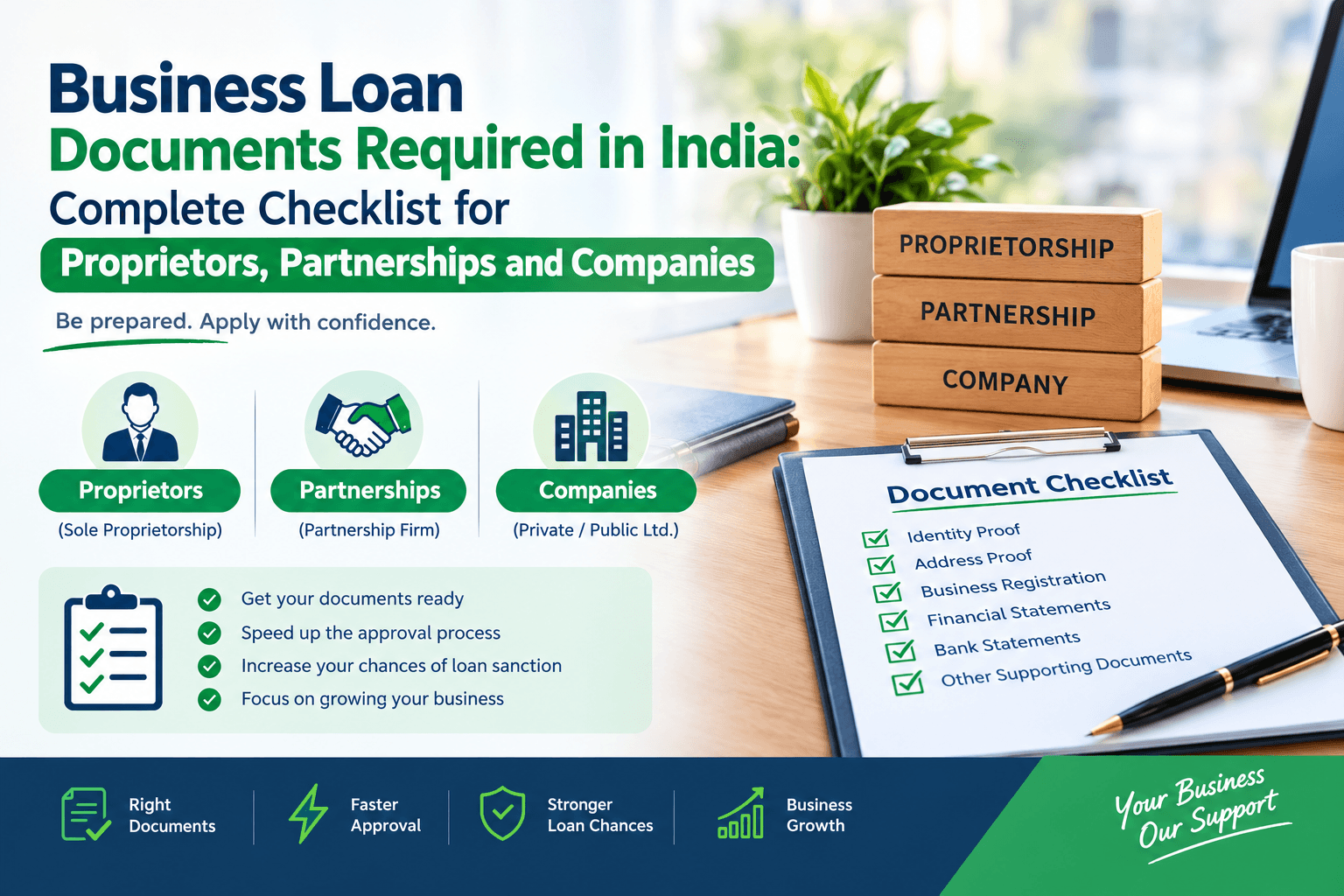
Business Loan Documents Required in India: Complete Checklist for Proprietors, Partnerships and Companies
Many business loan applications are not rejected because the business is weak. They are delayed, queried or returned because the file is incomplete, mismatched or unclear. A lender is not only collecting papers. Each document answers a question: Who is the borrower? Does the business really exist and operate? How much does it earn and how does money move? Can it repay? What security supports the loan? When your documents answer these questions clearly, the process moves faster. If you are still…
Express Dhan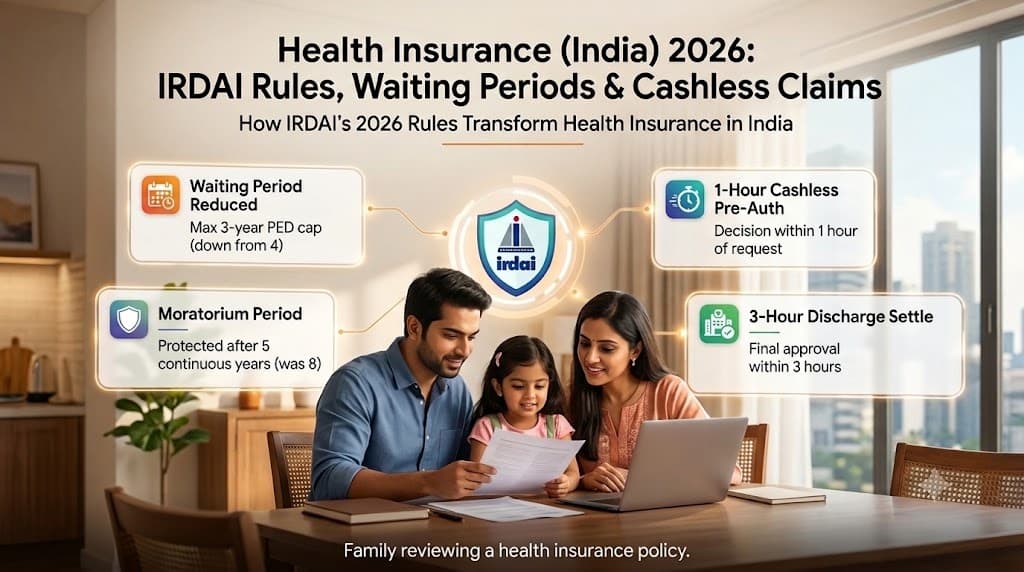
Health Insurance in India 2026: New IRDAI Rules, Waiting Periods, Cashless Claims and How to Choose the Right Plan
For most families, buying health insurance feels like a one-time decision. You compare a few premiums, pick a plan and file the policy away. The problem shows up years later, at a hospital counter. The claim is reduced, a treatment is excluded, or the hospital isn't on the network list. By then it is too late to ask the questions that matter. India's insurance regulator, IRDAI, has spent the last two years changing that. The rules on waiting periods, cashless treatment, claim disputes and taxes…
Express Dhan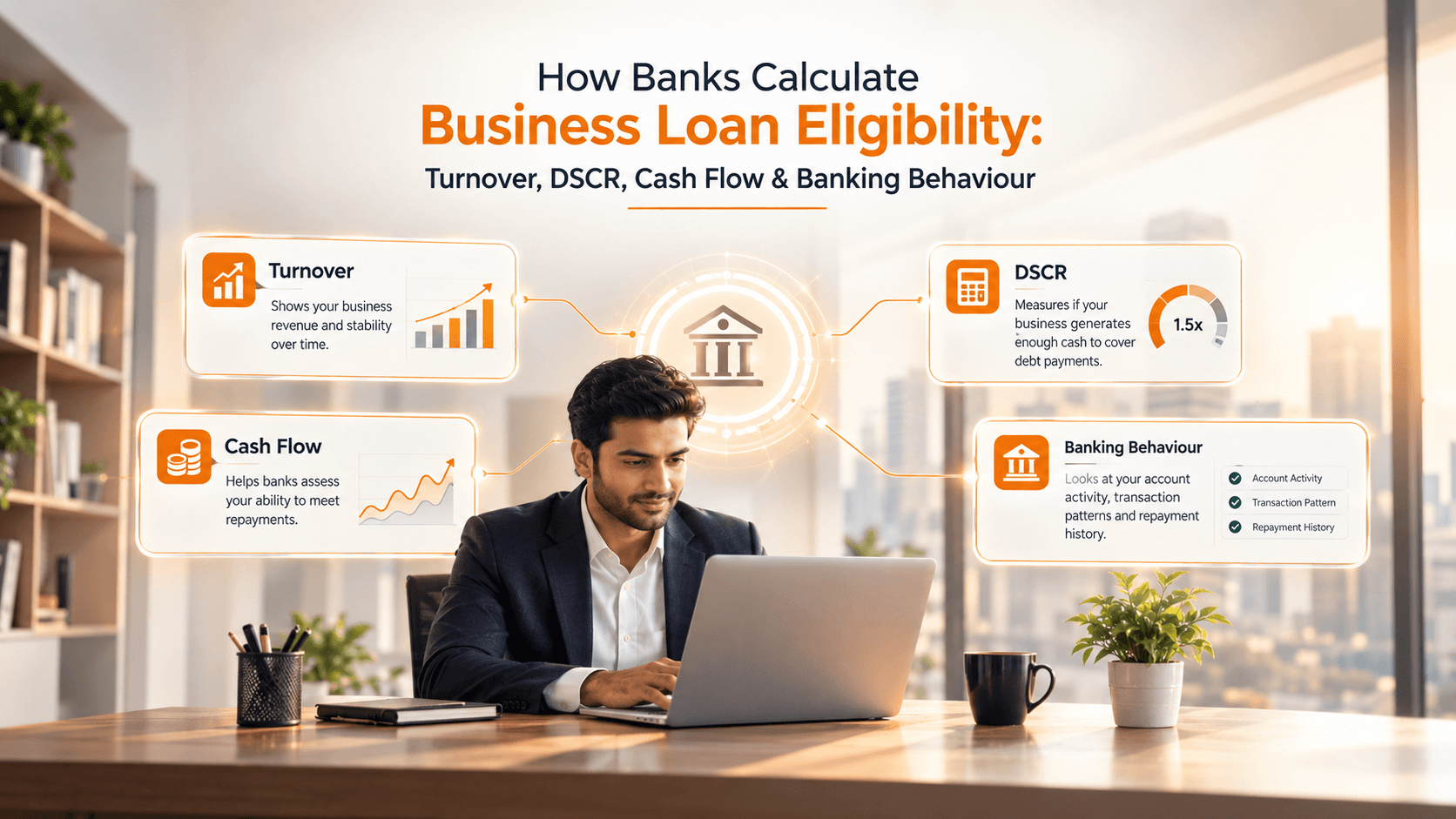
How Banks Calculate Business Loan Eligibility: Turnover, DSCR, Cash Flow & Banking Behaviour
At Express Dhan, we speak to business owners every day, and one situation comes up again and again. The business is doing well. Orders are coming in, customers are loyal, sales are growing. Then the loan application comes back with a short, polite "does not meet our criteria." It's frustrating, and it's rarely explained properly. So let's do that here. In this guide, we'll walk you through how banks and NBFCs actually assess business loan eligibility, what the numbers mean, and what you can fix…
Express Dhan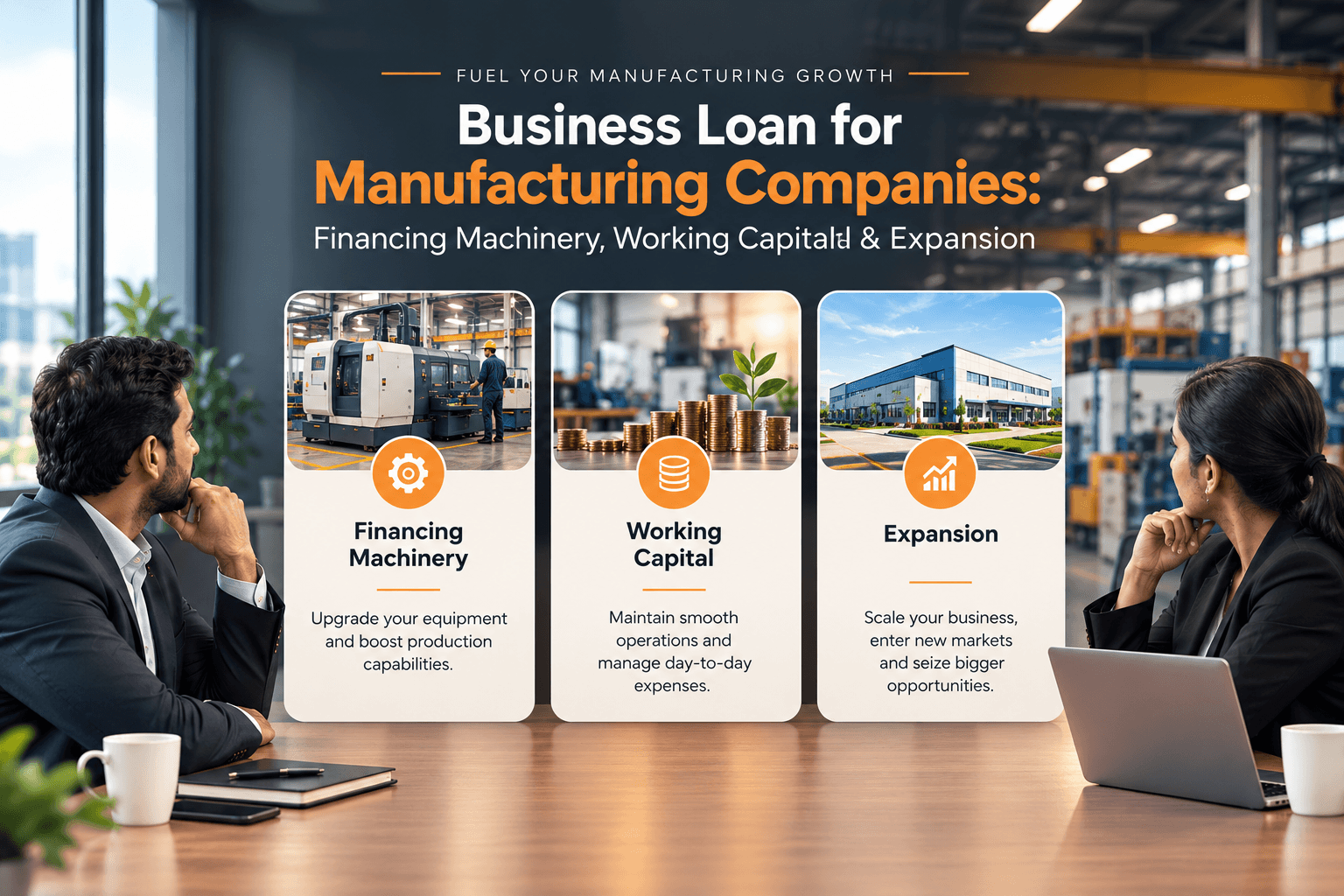
Business Loan for Manufacturing Companies: Financing Machinery, Working Capital & Expansion
For many manufacturers in India, growing the business can feel less like a business decision and more like a cash-flow puzzle. Raw material has to be bought before production starts. Wages have to be paid every month. A new machine may cost lakhs, or even crores. And the customer who placed the big order may not pay for another 60 to 90 days. That is why financing is not a side topic for manufacturers. It is part of how the business runs. A business loan for manufacturing companies is designed…
Express Dhan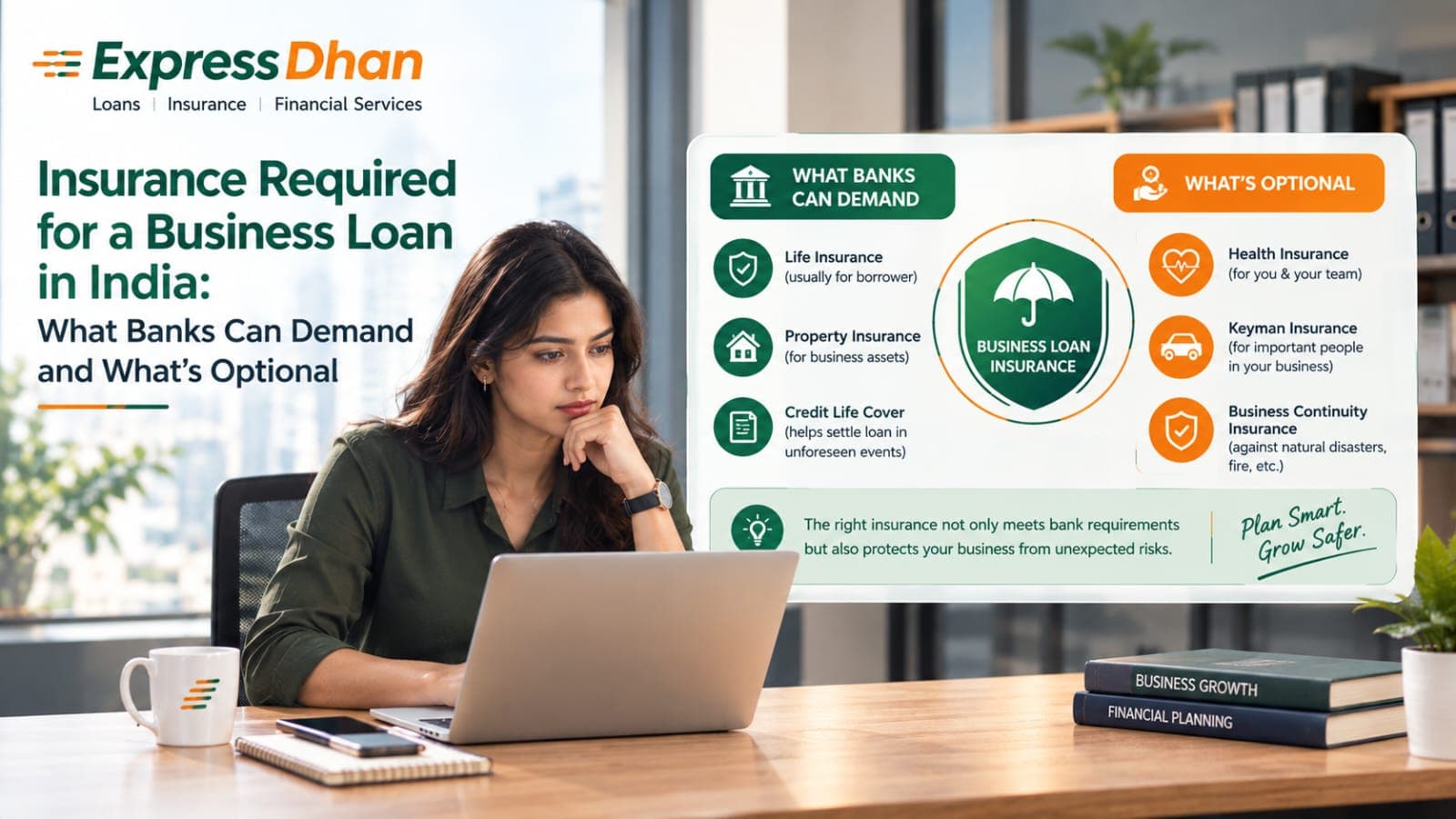
Insurance Required for a Business Loan in India: What Banks Can Demand and What's Optional
When a business loan reaches the sanction stage, insurance often enters the conversation. Some of it is a genuine condition of the loan. Some of it is a product the bank or its partner wants to sell. For Indian business owners, the difference matters. A required policy protects the asset behind the loan. An unrelated policy can add cost, add interest and add nothing to your credit file. Insurance around a business loan falls into three groups: security-linked cover the lender can require, optio…
Express Dhan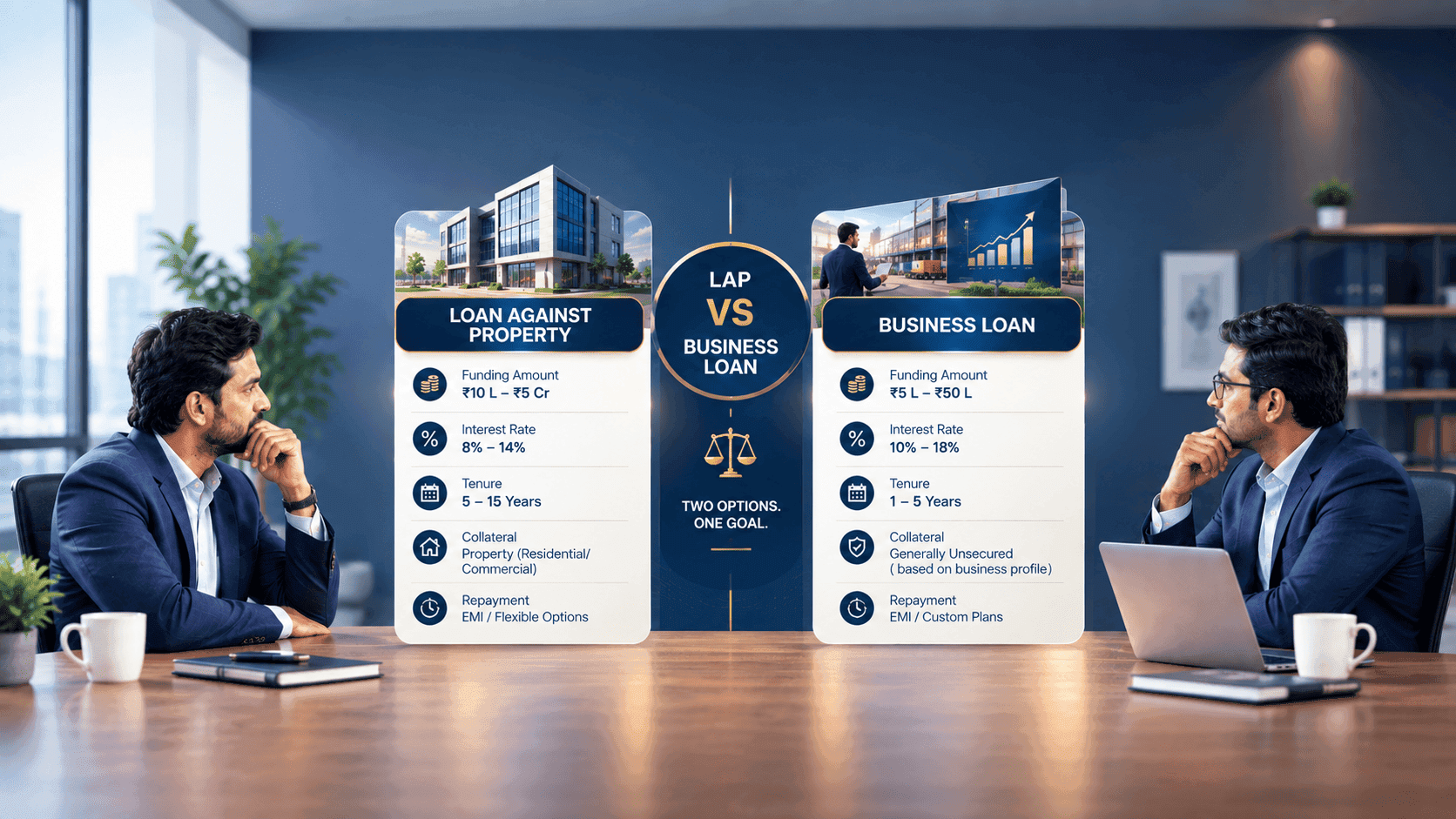
Loan Against Property vs Business Loan: Which Is Better for Business Funding?
When a business needs additional funding, choosing the right loan can be as important as getting the loan itself. Two common options for Indian business owners are a Loan Against Property (LAP) and a Business Loan . Both can provide substantial funding, but they work differently. A Loan Against Property is secured against an eligible residential, commercial or other acceptable property. A Business Loan can be secured or unsecured depending on the product, lender and borrower profile. The right…
Express Dhan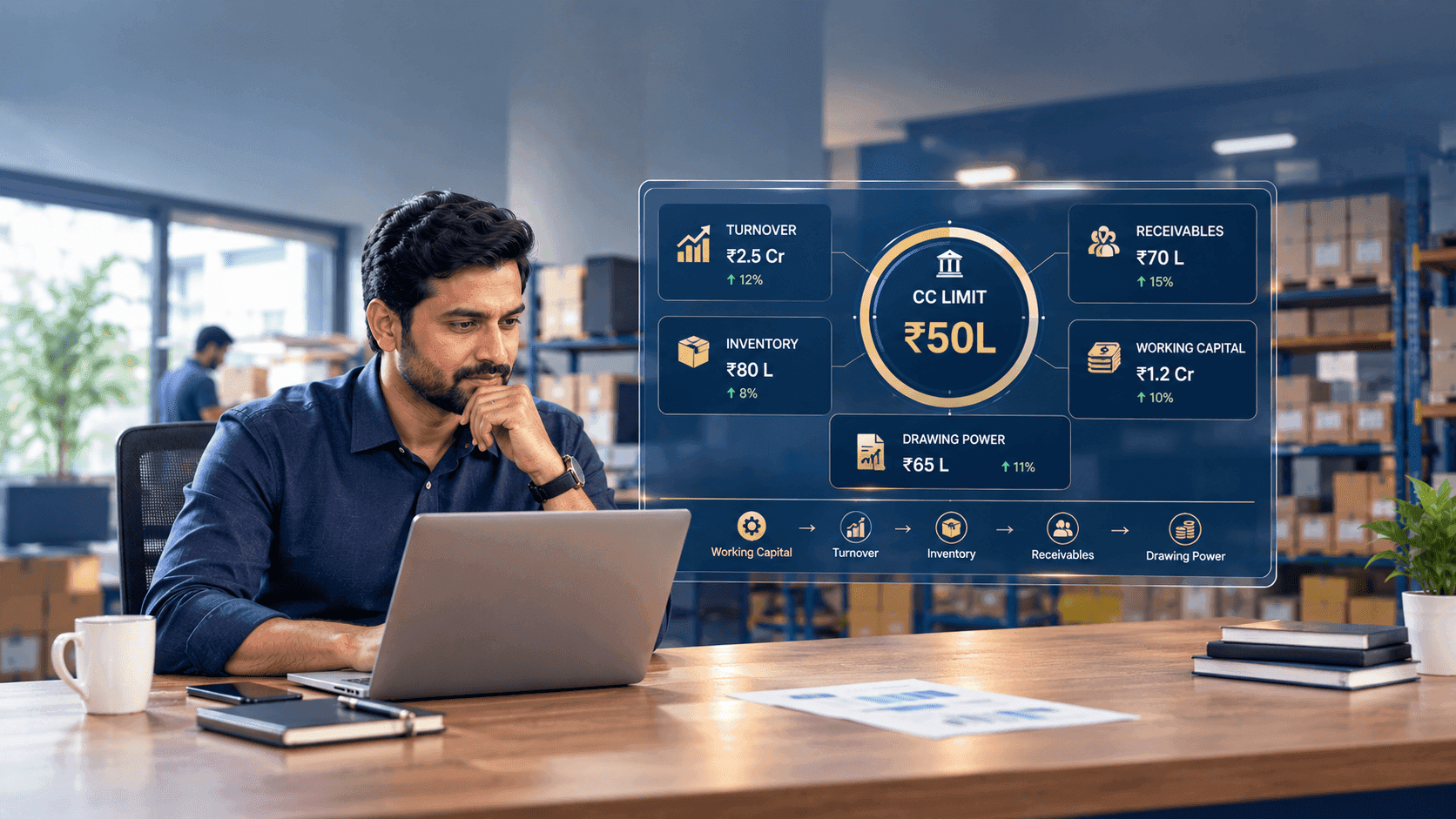
Cash Credit Limit for MSMEs: How Banks Calculate CC Limits and How to Increase Yours
A cash credit (CC) limit is one of the most commonly used working-capital facilities by Indian MSMEs. It helps businesses fund inventory purchases, supplier payments, receivables gaps, operating expenses and other short-term business requirements. But getting a CC limit is not simply a matter of telling the bank how much money the business needs. Banks assess the actual working-capital requirement, business turnover, operating cycle, inventory, receivables, profitability, banking transactions,…
 Vipin Rana
Project Finance for Businesses in India: Eligibility, Structure, Documents & Lender Process
Project finance is used when a business needs substantial funding to establish, expand or modernize a project and repay the borrowing primarily through the project's future cash flows. Unlike a conventional business loan used for general operating expenses, project finance is closely connected to a specific investment plan. The lender evaluates not only the borrower's existing financial position but also whether the proposed project is technically feasible, financially viable and capable of gen…
Vipin Rana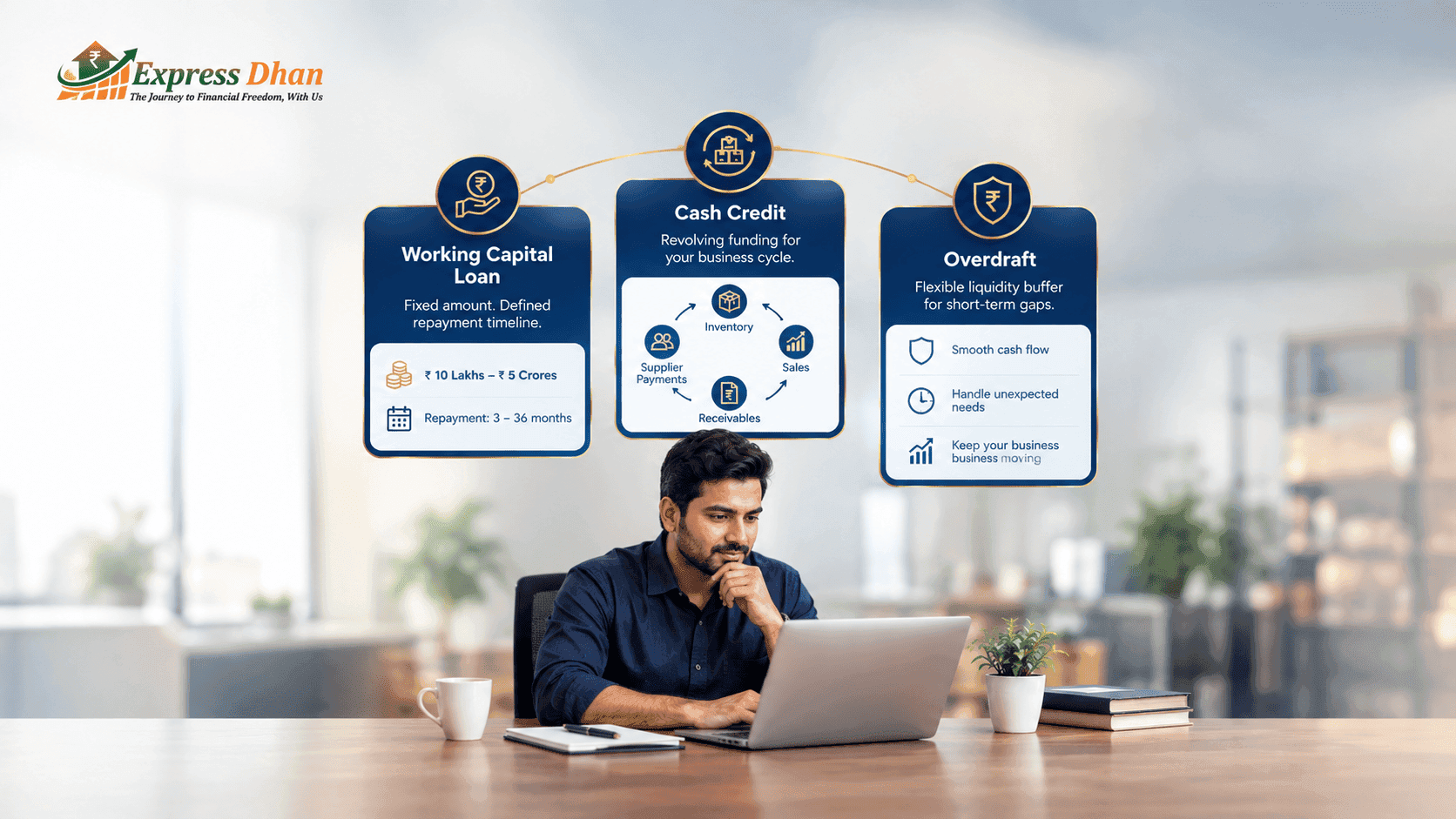
Working Capital Loan vs Cash Credit vs Overdraft: Which Is Right for Your Business?
A business can be profitable and still run short of cash. Customers may take 30, 60 or 90 days to pay, while salaries, rent, suppliers, utilities and taxes have to be paid much sooner. Inventory may also consume cash before it generates revenue. This gap between money going out and money coming in is where working capital finance becomes important. For Indian businesses, three commonly discussed options are: Working Capital Loan Cash Credit (CC) Overdraft (OD) Although all three can help manage…
Vipin Rana
2026 MSME Credit Opportunities: Latest Funding Changes 2026
2026 MSME Credit Opportunities: What Has Actually Changed? For an MSME owner, government credit announcements can sound more straightforward than they really are. A headline may say that a new guarantee scheme has been introduced, machinery financing has been expanded, or additional credit is available. But a business owner still needs to answer practical questions: Does my business qualify? Is this a subsidy, guarantee or actual loan? How much can I potentially borrow? Does the government give…
Vipin Rana